
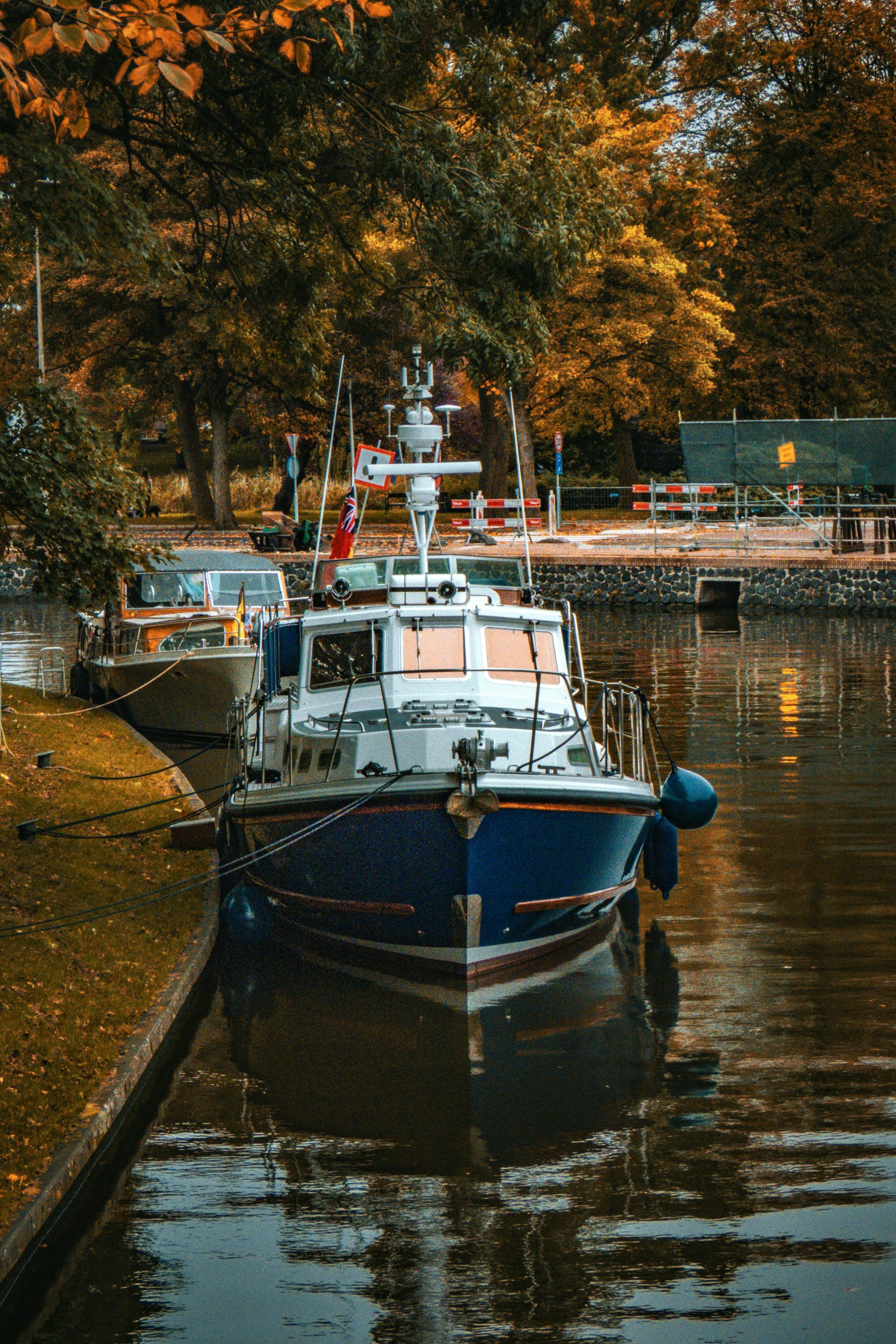
Today’s boat market offers unprecedented opportunities for buyers, with recreational boat sales reaching $54.2 billion in 2025 according to the National Marine Manufacturers Association. Enhanced financing options and diverse inventory levels create favorable purchasing conditions. Whether you’re seeking your first vessel or upgrading to something larger, the key question remains: what features truly matter for your boating lifestyle? Click to discover comprehensive listings that match your specific needs and budget requirements.
Understanding Different Vessel Categories and Their Unique Advantages
Choosing the right type of boat entirely determines your experience on the water. Each category meets specific needs, whether you’re looking for pure speed, extended cruising range, or family comfort.
Also read : How is AI transforming the future of UK automotive engineering?
Here are the four main categories available on the market:
- Motorboats : Ideal for quick outings and sport fishing. They offer excellent maneuverability and allow you to quickly reach distant spots. Perfect for beginners thanks to their ease of handling.
- Sailboats : Designed for traditional sailing enthusiasts. Excellent cost/range ratio over long distances. Provide an authentic and eco-friendly experience, but require more technical skills.
- Multihulls : Catamarans and trimarans combining exceptional stability and generous living space. Ideal for family cruises and seasonal rentals thanks to their superior comfort.
- Riverboats : Specially designed for river and lake navigation. Shallow draft and optimized layout for inland waterways. Perfect for exploring canals and rivers in complete safety.
Essential Criteria for Evaluating Quality Vessels
The hull represents the foundation of any vessel purchase decision. A thorough inspection reveals potential issues that could cost thousands later. Look for stress cracks, blistering, or signs of impact damage. Run your hands along the waterline where osmosis commonly develops. Any soft spots or delamination indicate serious structural concerns that warrant professional marine survey.
In the same genre : What is the significance of government policy on the UK automotive sector?
Engine condition determines both performance and maintenance costs ahead. Request detailed service records and observe how the motor starts, idles, and responds to throttle changes. Oil color and consistency provide immediate insights into care levels. For sailboats, rigging inspection becomes equally critical – examine stays, shrouds, and sail condition for wear patterns.
Safety equipment verification ensures legal compliance and crew protection. Check expiration dates on flares, life jackets, and fire extinguishers. Navigation electronics should function properly with updated charts. Documentation review includes registration papers, insurance records, and any outstanding liens that could complicate ownership transfer.
Maintenance history tells the vessel’s real story. Well-documented service intervals, component replacements, and seasonal preparations indicate responsible ownership. Missing records or deferred maintenance often signal hidden problems that surface after purchase.
Smart Budgeting Strategies for Your Nautical Investment
Acquiring a boat represents much more than just the initial purchase price. Careful financial planning will help you avoid surprises and allow you to fully enjoy your nautical investment.
Beyond the initial cost, budget approximately 10 to 15% of the purchase price annually for maintenance, insurance, and mooring fees. Marine insurance varies depending on the boat’s value and the cruising area, while marina fees can amount to several thousand euros per year in popular marinas.
For financing, banks offer nautical loans with specific terms. Interest rates are generally more favorable for new boats than for used ones. Also consider leasing with an option to buy to test your actual usage.
Your usage profile determines how best to optimize your budget: an occasional sailor will likely prefer a well-maintained used boat, while a regular enthusiast will invest in a recent model with a warranty. A cost-benefit analysis based on your planned outings will effectively guide your financial decision.
Where to Source Reliable Boats with Complete Transparency
The used boat market offers several acquisition channels, each with its own advantages and specific characteristics. Direct sales between individuals may seem attractive due to their price, but they require in-depth technical expertise to properly assess the vessel’s condition.
Boat brokers represent an interesting middle ground. These professionals bring their expertise and can negotiate on your behalf, but their services generally come with substantial commissions that impact the final budget.
Specialized platforms are revolutionizing boat buying today by combining a large inventory with complete transparency. These structured marketplaces offer unique advantages: detailed photos, available maintenance history, and, above all, comprehensive educational resources to guide novice buyers.
The decisive advantage of digital platforms lies in their ability to centralize information. You have simultaneous access to technical specifications, reviews from other owners, and specialized buying guides, creating an informed and secure purchasing environment.
Navigating the Purchase Process from Initial Contact to Delivery
The boat buying journey begins with that first crucial contact with the seller. Whether you’ve spotted your dream vessel online or through a broker, approach this initial conversation with prepared questions about the boat’s history, maintenance records, and reason for sale. Professional sellers will appreciate your thoroughness and provide detailed responses.
During your first inspection, arrive with a comprehensive checklist covering both cosmetic and mechanical aspects. Take extensive photos, test all systems, and don’t hesitate to bring along an experienced friend or marine surveyor. This visit determines whether you’ll proceed to the negotiation phase, where your research on comparable vessels becomes invaluable.
Once you’ve agreed on terms, schedule a professional marine survey before finalizing the purchase. This technical expertise protects you from costly surprises and provides negotiation leverage if issues arise. Meanwhile, begin organizing the administrative paperwork – registration transfers, insurance policies, and any required certifications vary significantly by location and boat type.
The final delivery phase requires careful coordination. Plan for sea trials, complete the financial transaction through secure methods, and arrange proper transportation or marina berth. Many buyers underestimate this logistical complexity, so start planning early to ensure a smooth handover process.
Your Questions About Boat Purchasing Answered
What should I look for when buying a used boat?
Check the hull for cracks or damage, inspect the engine maintenance records, test all electrical systems, and verify registration documents. Always arrange a professional marine survey for boats over $10,000.
How much does it cost to buy a decent motorboat?
Entry-level motorboats start around $15,000-$25,000 used. Mid-range models cost $40,000-$80,000, while premium boats exceed $100,000. Factor in maintenance costs of 10-15% annually of the boat’s value.
Where can I find reliable boats for purchase online?
Specialized boat marketplaces offer verified listings, detailed specifications, and buyer protection. Look for platforms with comprehensive search filters, professional photography, and direct seller communication options for the best experience.
What are the best types of boats for beginners?
Start with smaller motorboats (16-20 feet), pontoon boats, or simple sailboats under 25 feet. These offer easier handling, lower maintenance costs, and forgiving characteristics while you develop your boating skills.
How do I know if a boat is priced fairly?
Research similar models on multiple platforms, check market values using boat pricing guides, consider age and condition, and factor in included equipment. Professional appraisals help for expensive purchases.